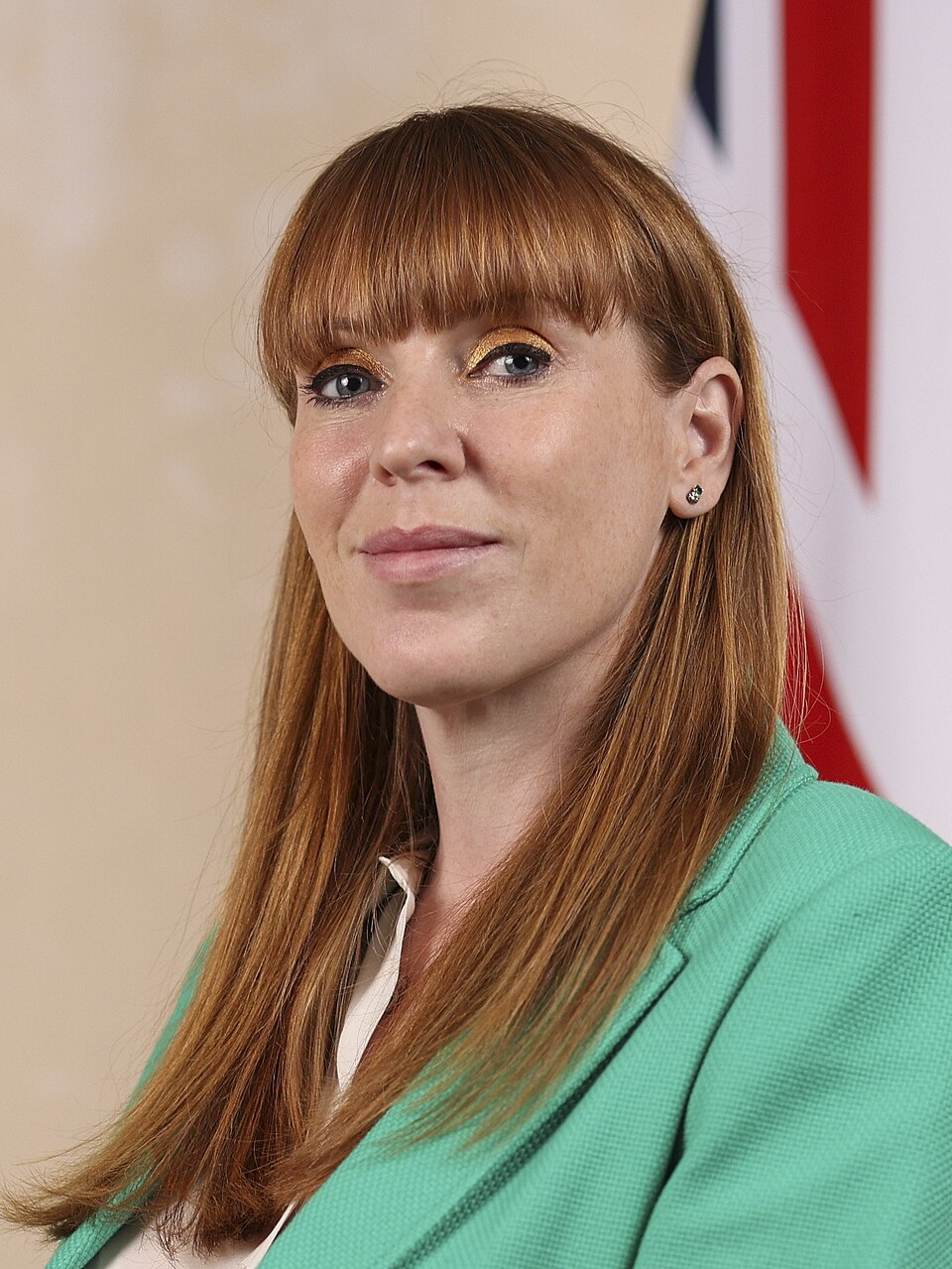
Angela Rayner Tax Probe: The Looming May Elections Deadline
The political landscape in the United Kingdom is currently fixated on a high-stakes deadline: the resolution of the ongoing HMRC probe into Deputy Prime Minister Angela Rayner's tax affairs. As local elections in May draw nearer, the outcome of this investigation is not merely a matter of personal finance for Ms. Rayner, but a critical factor that could profoundly shape her political future, influence the trajectory of the Labour Party, and even determine the leadership of Sir Keir Starmer. Allies of the Ashton-under-Lyne MP are reportedly increasingly confident that the inquiry will conclude before polling day, a resolution that is widely seen as essential for her return to frontline politics and for removing a significant cloud over Labour's pre-election campaign.
The Heart of the Controversy: Unpacking the Angela Rayner Tax Dispute
The controversy surrounding Angela Rayner's tax arrangements first emerged in 202X, sparking an intense political debate and subsequently, an HMRC investigation. At its core, the dispute revolves around the alleged underpayment of stamp duty by a significant sum – reported to be £40,000 – on an £800,000 flat in Hove, which was purchased in 202X. This substantial figure immediately raised eyebrows, but the true complexity of the
Angela Rayner tax dispute lies in the intricate property arrangements involved.
A key element of the controversy is the presence of a trust established for her disabled son. While trusts are legitimate financial instruments, their use in conjunction with property transactions can complicate tax declarations, particularly when it comes to determining primary residence for stamp duty purposes. The critical issue at the heart of the probe is the allegation of conflicting declarations made by Ms. Rayner to different authorities regarding her primary residence. Stamp duty land tax (SDLT) rates are heavily influenced by whether a property is considered a main home or an additional property. If a property is not declared as a primary residence, or if there's ambiguity, it can lead to different tax liabilities. For example, higher rates of stamp duty often apply to second homes or investment properties.
The initial scandal unfolded rapidly, over roughly eight days, from late August to early September 202X. During this period, intense scrutiny was placed on Ms. Rayner's financial history and property dealings. The implications of such conflicting declarations are not merely financial; they touch upon issues of transparency, public trust, and adherence to regulatory standards for those in high public office. For a figure as prominent as the Deputy Prime Minister, questions surrounding personal financial conduct inevitably spill over into broader political credibility. The ongoing inquiry seeks to clarify whether these declarations were accurate, and if not, what the implications might be for her past tax payments.
The Political Crucible: May Elections and Leadership Speculation
The timing of the potential resolution of the Angela Rayner tax probe is exceptionally critical, given the imminent May local elections. These elections are traditionally viewed as a barometer of public sentiment towards the incumbent government and the opposition. For Labour, and particularly for Sir Keir Starmer, a strong performance is essential to maintain momentum and build confidence ahead of a general election. Conversely, any setbacks could reignite internal party anxieties and leadership challenges.
It is no secret that the ongoing inquiry has been widely perceived as the main barrier to Ms. Rayner's full return to frontline politics. Having previously resigned from significant roles as Housing Secretary and Deputy Prime Minister in the wake of the initial controversy, her path back to high office is contingent upon a clear resolution. Her allies' growing confidence suggests an expectation that the investigation will clear her name, or at least conclude without findings that would further damage her reputation. Without such clarity, the cloud of suspicion could dampen voter enthusiasm and provide ammunition for political opponents, directly impacting Labour's performance in May.
Beyond the immediate electoral concerns, the
Rayner tax scandal also intersects with persistent rumours of a potential leadership challenge to Sir Keir Starmer. Amidst varying approval ratings for the Labour leader and ongoing debates about the party's strategic direction, Ms. Rayner has frequently been cited as a potential successor. Her strong public profile, perceived connection with traditional Labour voters, and robust parliamentary performances have positioned her as a significant figure within the party.
Reports have even suggested the possibility of a joint ticket with Health Secretary Wes Streeting, a powerful alliance that could emerge to challenge the leadership after the May elections, particularly if the results for Labour are perceived as disappointing. Therefore, the resolution of the Angela Rayner tax probe before May is not just about her individual political viability; it's a pivotal moment that could either solidify Starmer's position by removing a major distraction or, if unresolved or negative, could embolden his internal critics and accelerate leadership manoeuvres within the party. The optics of a leading Labour figure under such scrutiny during an election campaign are far from ideal, making a swift and decisive conclusion all the more imperative for the party's unity and electoral prospects.
The HMRC Inquiry: Process, Expectations, and Outcomes
The HM Revenue & Customs (HMRC) inquiry into Angela Rayner’s tax affairs is a thorough and meticulous process designed to ascertain the full facts of her financial declarations and tax payments. HMRC investigations are confidential by nature, focusing on whether an individual has complied with their tax obligations. This typically involves examining all relevant financial documents, property records, and declarations made to various governmental bodies, including local councils and the electoral register, to determine residency status.
The confidence expressed by Ms. Rayner's allies regarding a pre-May resolution is significant. Such optimism suggests either that the inquiry is nearing its conclusion with a favourable outlook for her, or that they anticipate a statement confirming no further action is required. For Ms. Rayner, a definitive conclusion from HMRC that finds no wrongdoing, or merely minor irregularities that have been rectified, would be a monumental relief. It would allow her to shed the burden of the ongoing speculation, clear her name, and potentially reclaim a prominent role in Labour's shadow cabinet and election campaign.
However, the political stakes are incredibly high if the probe does not conclude in time, or if its findings are adverse.
- Delayed Resolution: If the inquiry drags on past the May elections, the cloud of suspicion would persist, continuing to serve as a distraction for Labour and a talking point for their political rivals. This uncertainty could detract from Labour's campaign messaging and potentially depress voter turnout among those concerned about integrity in politics.
- Adverse Findings: In the unlikely event that HMRC finds significant discrepancies or deliberate tax avoidance, the consequences for Ms. Rayner would be severe, likely necessitating further resignations and potentially ending her immediate political ambitions. The political fallout for the Labour Party, which often campaigns on themes of fairness and accountability, would also be substantial.
- No Action Taken: The most favourable outcome would be a public statement from HMRC confirming that no further action is required, effectively clearing her name. This would empower Ms. Rayner to fully re-engage in political life, potentially bolstering her standing within the party and among the electorate.
HMRC’s role is to act impartially, based solely on tax law, not political expediency. However, the intense public and media interest in this case undoubtedly places pressure on the agency to be both thorough and transparent in its eventual communication, without compromising the integrity of its investigative process. The nation awaits a verdict that will undoubtedly ripple through the corridors of power.
Conclusion: A Verdict Awaited
The Angela Rayner tax probe has become more than just a personal financial investigation; it has evolved into a pivotal moment for British politics. With the May local elections fast approaching, the deadline for a resolution looms large, carrying immense implications for Ms. Rayner's career, Sir Keir Starmer's leadership, and the broader electoral prospects of the Labour Party. A definitive conclusion before the polls open is crucial for Labour to present a united front and avoid campaigning under the shadow of ongoing scandal. The coming weeks will reveal whether Ms. Rayner's allies' confidence is well-placed and whether this significant hurdle can be cleared, potentially revitalising her political trajectory or, conversely, prolonging a period of uncertainty that could reshape the future of the Labour Party. The verdict of HMRC is eagerly awaited, promising to be a significant turning point in the current political narrative.