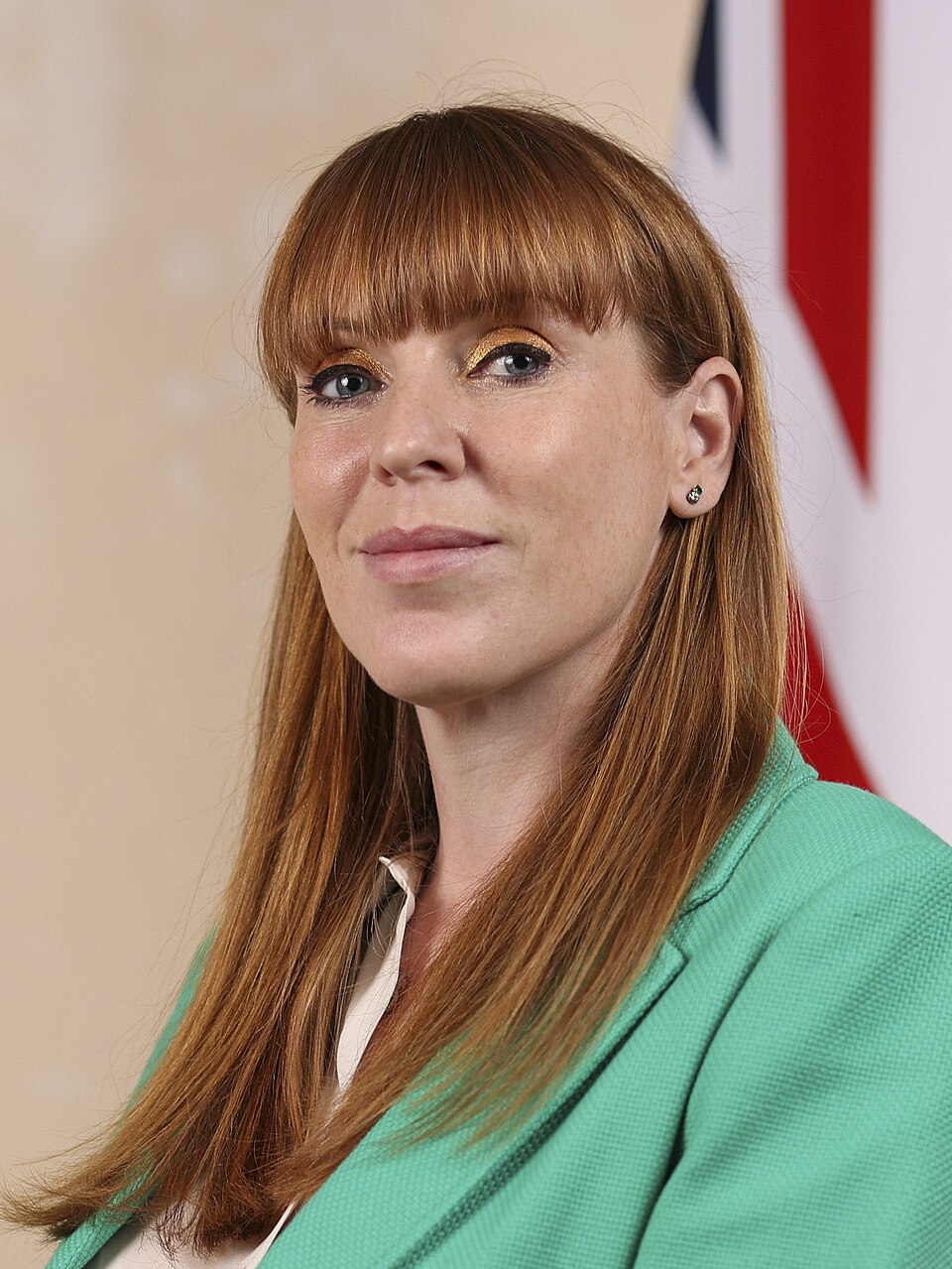
Angela Rayner's £40K Stamp Duty Row: Unpacking the Property Trust Controversy
The world of UK politics is no stranger to financial scrutiny, but the ongoing saga surrounding Deputy Prime Minister Angela Rayner's tax affairs has captured significant public and media attention. At the heart of the controversy is an alleged underpayment of £40,000 in stamp duty on an £800,000 flat in Hove, purchased in May 2025. This complex situation, inextricably linked to a property trust established for her disabled son and conflicting declarations about her primary residence, has become a defining moment in the political landscape. The controversy, which unfolded rapidly between August 28th and September 5th, 2025, has placed the spotlight firmly on the intricacies of property law, taxation, and the obligations of public figures. Understanding the nuances of this "Angela Rayner Tax" row requires a deeper dive into property trusts, stamp duty regulations, and the political implications.
The Genesis of the Stamp Duty Dispute
The core of the issue revolves around the purchase of an £800,000 flat in Hove in May 2025. Investigations revealed that Angela Rayner allegedly underpaid Stamp Duty Land Tax (SDLT) by £40,000. SDLT is a tax payable in England and Northern Ireland when you buy a property or land over a certain price. The amount owed varies significantly based on the property's value, whether it's your only property, and if it's considered a primary residence. Higher rates apply to additional properties or second homes.
The key complication in Ms. Rayner's case appears to stem from conflicting declarations regarding her primary residence. For tax purposes, an individual's main residence typically benefits from certain exemptions or lower tax rates, particularly for capital gains tax if the property is later sold. However, if a property is not considered your main residence, or if you own multiple properties, different, often higher, tax rules apply. The alleged discrepancies in her declarations to various authorities have fueled accusations of deliberately reducing her tax liability, leading to intense political and public scrutiny. This specific incident, therefore, isn't just about an individual payment, but about the integrity of declarations made by a high-profile politician regarding her personal finances.
Property Trusts Explained: A Critical Element
A significant, yet often misunderstood, aspect of the Angela Rayner tax controversy is the involvement of a property trust for her disabled son. To fully grasp the complexities, it's crucial to understand what a property trust is and why individuals might establish one.
A
property trust is a legal arrangement where assets, in this case, a property, are held by a trustee (or trustees) for the benefit of one or more beneficiaries. There are various types of trusts, each with different legal and tax implications. Common reasons for establishing a property trust include:
*
Protecting Vulnerable Beneficiaries: As in Ms. Rayner's reported case, trusts are frequently used to hold assets for individuals who may not be able to manage their own finances due to disability, age, or other vulnerabilities. This ensures their financial security and welfare.
*
Estate Planning: Trusts can be a powerful tool for inheritance tax planning, allowing assets to be passed down through generations more efficiently and with potentially reduced tax liabilities.
*
Asset Protection: They can protect assets from creditors, divorce settlements, or simply ensure they are used for specific purposes as outlined by the trust's creator (the settlor).
However, while trusts offer significant benefits, they also introduce considerable complexity, particularly concerning taxation. The tax treatment of a trust – including income tax, capital gains tax, and stamp duty – depends heavily on its specific structure, the nature of the assets held, and the residency of the trustees and beneficiaries. For stamp duty purposes, when a property is transferred into or out of a trust, or when a trust purchases a property, SDLT can be triggered, and the rates applied can differ from standard individual purchases. Furthermore, the question of who beneficially owns the property (the trustees or the beneficiaries) and who resides there can have a profound impact on tax declarations, including those related to primary residence. This layered complexity makes situations like the "Angela Rayner Tax" row incredibly difficult to unpick without detailed knowledge of trust law and tax regulations.
Navigating Conflicting Declarations and Primary Residence Rules
The core of the dispute highlights the challenges in defining a "primary residence" when multiple properties or trusts are involved. HMRC, the UK's tax authority, has specific guidelines to determine an individual's main residence. These factors often include:
* Where an individual spends most of their time.
* Where their family lives.
* The address used for official correspondence (e.g., utility bills, bank statements, electoral roll).
* The address registered with doctors, dentists, etc.
When a property is held in a trust, especially for a beneficiary who may reside there, the distinction between the settlor's (the person who set up the trust) primary residence and the beneficiary's primary residence can become blurred from a tax perspective. If Ms. Rayner declared one property as her main residence to certain authorities (e.g., for electoral purposes or council tax) while another property, potentially linked to the trust, was effectively her primary abode for different tax declarations (e.g., stamp duty, where a main residence exemption might apply), this could lead to a perceived misrepresentation of her living arrangements and, consequently, an underpayment of tax. The political ramifications of such discrepancies are significant, touching upon issues of honesty and accountability.
Political Fallout and Future Implications for Angela Rayner
The ongoing HMRC probe into Angela Rayner's tax affairs casts a long shadow over her political career. Allies are reportedly growing more confident that the inquiry will conclude before the crucial May local elections. This deadline is significant, as many observers believe a resolution would clear the path for Ms. Rayner to return to a more prominent frontline political role. Indeed, the inquiry is currently seen as the main barrier preventing her full political resurgence.
However, should the probe extend beyond May, or conclude unfavorably, it could severely impact her standing. Ms. Rayner, who previously resigned as housing secretary and deputy prime minister following a similar row over stamp duty underpayment on a new property, has been widely considered a potential successor to Sir Keir Starmer amid rumblings of a leadership challenge. Reports even suggest a possible joint ticket with Health Secretary Wes Streeting following the May local elections, which are anticipated to deliver a brutal result for Labour. The outcome of the "Angela Rayner Tax" inquiry is therefore not just about personal finances but has profound implications for the future leadership and direction of the Labour party. For a deeper look into the political timeline, read
Angela Rayner Tax Probe: May Elections Deadline Looms. The resolution of this scandal is undoubtedly pivotal to whether she can fully overcome this hurdle and achieve her political ambitions, as further explored in
Rayner Tax Scandal: A Barrier to Her Political Comeback?
Practical Advice for Navigating Complex Property and Tax Situations
While the Angela Rayner tax controversy involves a high-profile public figure, the underlying complexities surrounding property, trusts, and taxation are relevant to anyone dealing with significant assets. Here are some practical tips and insights:
- Seek Expert Advice: For any complex property transaction, especially those involving trusts or multiple properties, always consult with qualified tax advisors, solicitors, or financial planners. Tax laws are intricate and subject to change.
- Understand Trust Implications: If you are considering setting up a trust, fully understand its legal, administrative, and tax implications for both yourself and the beneficiaries. Ensure you have competent trustees.
- Maintain Meticulous Records: Keep comprehensive records of all property purchases, sales, declarations, and tax filings. This includes documentation for where you genuinely reside if it impacts your tax status.
- Clarity on Primary Residence: Be clear and consistent in declaring your primary residence across all official and financial documents. Ambiguity can lead to costly disputes with tax authorities.
- Review Regularly: Tax laws and personal circumstances change. Regularly review your property arrangements and trust structures with your advisors to ensure they remain compliant and effective.
Conclusion
The Angela Rayner tax row serves as a stark reminder of the intricate and often unforgiving nature of tax law, particularly when combined with complex property arrangements and public scrutiny. While the specifics of the stamp duty underpayment and the property trust for her disabled son are unique to her situation, the broader themes of transparent declarations, adherence to tax regulations, and the critical role of expert advice resonate widely. As the HMRC probe continues, its resolution will undoubtedly shape not only Angela Rayner's political trajectory but also contribute to public discourse on the financial accountability of those in power. For citizens and politicians alike, this controversy underscores the paramount importance of diligence, honesty, and professional guidance in navigating the complexities of property and taxation.